


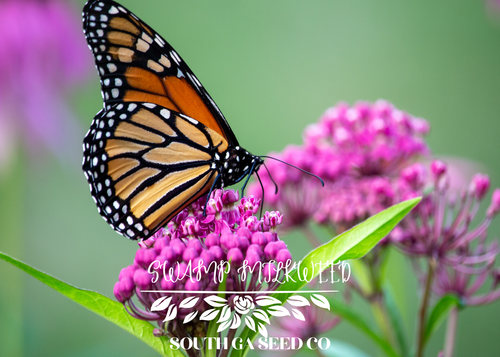
Swamp milkweed, known scientifically as Asclepias incarnata, is a perennial herbaceous plant belonging to the Apocynaceae family; it's a vital component of any butterfly garden due to its role in supporting monarch butterflies. This plant typically reaches heights of 3 to 5 feet and is adorned with clusters of fragrant pink to mauve flowers that bloom in mid to late summer; these flowers are not only beautiful but also attract a variety of pollinators. Swamp milkweed thrives in full sun and prefers moist to wet soils, making it an excellent choice for rain gardens, wetland areas, or near bodies of water. Aside from its ecological benefits, swamp milkweed can also be used in cut flower arrangements due to its appealing form and long-lasting blooms. It is hardy in USDA zones 3 to 6; once established, it requires minimal maintenance, offering a sustainable option for enhancing biodiversity in your garden.
- QTY 25
How to grow
To grow common milkweed, choose a sunny spot with well-drained soil. It thrives in full sun and prefers sandy or loamy soil. Start from seeds or young plants. For seeds, plant in fall for natural cold stratification, or stratify indoors by refrigerating them for 30 days. Space plants 18 to 24 inches apart. Water regularly until established; mature plants are drought-tolerant but benefit from occasional watering. Minimal care is required. Remove dead stems in early spring and trim after flowering to prevent self-seeding. Manage aphids with water or insecticidal soap. Following these steps supports pollinators and monarch butterflies.


