
How to Grow Cherokee Purple Tomatoes in Georgia | Heirloom Growing Guide
Posted by Jennifer Dixon on 13th May 2026
Growing Cherokee Purple Tomatoes in North Georgia
Some vegetables earn a permanent place in the garden after a single season. Cherokee Purple is one of those varieties.
Over the years we’ve grown a lot of heirloom tomatoes here in the North Georgia mountains, but few have earned the loyalty and attention that Cherokee Purple has. It’s not the prettiest tomato in the garden, and it’s certainly not the most uniform, but what it lacks in appearance it makes up for in flavor, history, and character.
Once you slice into a fully ripe Cherokee Purple straight from the vine, it becomes easy to understand why gardeners have continued saving this variety for generations.
A Tomato With Real Heirloom Character
Cherokee Purple is believed to trace its roots back to old seed-saving traditions in the Southern Appalachian region. Like many heirlooms, its exact history has become part fact and part passed-down storytelling over time, but the variety became widely known after being shared through seed preservation circles in the late 20th century.
Unlike modern hybrid tomatoes bred for shipping and shelf life, Cherokee Purple was preserved because people genuinely loved eating it.
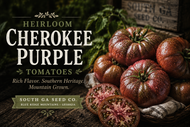
The fruit develops deep dusky colors ranging from reddish-purple to mahogany with green shoulders near the stem. No two tomatoes ever seem exactly alike, and honestly, that’s part of the charm.
The flavor is rich, slightly smoky, sweet, and earthy all at once. It has the kind of old-fashioned tomato taste many people remember from grandparents’ gardens before grocery store tomatoes became bred more for appearance than flavor.
Growing Cherokee Purple in Humid Southern Summers
Here in North Georgia, Cherokee Purple grows surprisingly well, but like many heirloom tomatoes, it benefits from good airflow and consistent watering.
Our summers bring heavy humidity, afternoon storms, and long stretches of heat, which can create disease pressure if plants become overcrowded. We’ve found that giving Cherokee Purple a little extra space between plants makes a noticeable difference later in the season.
A few things that have worked well for us over the years:
-
Mulching heavily around the base of plants
-
Pruning lower branches for airflow
-
Watering deeply instead of frequently
-
Avoiding overhead watering late in the day
-
Using sturdy cages or trellises early
Cherokee Purple is an indeterminate tomato, meaning it continues growing and producing fruit throughout the season. Healthy plants can become large and sprawling by midsummer, especially in rich soil.
In our gardens, the plants often keep producing well into late summer when many other varieties begin slowing down.
Soil Matters More Than People Think
One thing we’ve learned growing in the Appalachian foothills is that healthy soil solves a lot of problems before they ever begin.
Cherokee Purple performs best in loose, fertile soil with plenty of organic matter. We work compost, aged manure, and worm castings into our beds each season, which helps retain moisture during dry periods while still allowing good drainage.
Tomatoes are heavy feeders, but overly rich nitrogen can lead to huge leafy plants with fewer fruits. We aim for balanced soil that encourages steady growth instead of explosive growth.
Flavor That Makes the Work Worth It
There’s a reason gardeners keep returning to Cherokee Purple year after year.
This is the kind of tomato that turns a simple sandwich into something memorable. Thick slices on homemade bread with a little salt and mayonnaise are hard to beat during the middle of summer.
It also makes excellent:
-
fresh salads
-
salsa
-
tomato pies
-
slow-roasted dishes
-
homemade sauces
The flavor becomes especially rich when harvested fully ripe from the vine.
Seed Saving and Preservation
One of the best parts about growing open-pollinated heirloom varieties like Cherokee Purple is the ability to save your own seeds.
Each season we select fruit from our healthiest plants for seed saving. After fermenting and drying the seeds properly, they can be stored for future gardens and passed down to the next generation of growers.
That process of preservation is part of what keeps heirloom gardening meaningful to us.
Every saved seed carries not only genetics, but also seasons of experience, weather, successes, failures, and stories tied to the soil itself.
Why We Continue Growing Cherokee Purple
Some varieties stay in the garden because they produce heavily.
Some because they handle difficult weather.
Others because they simply taste good.
Cherokee Purple stays in our garden because it does all three while still carrying the kind of old heirloom character that feels increasingly rare today.
It’s imperfect in all the right ways.
And in our opinion, that’s exactly what makes it worth growing.
— South GA Seed Co.
From the Blue Ridge Mountains of North Georgia
To order seeds Click Here
Related Gardening Guides
- Why Old Gardens Smelled Different
- 10 Easiest Vegetables to Grow for Beginner Gardeners
- What to Plant in May for All Zones
- Why Are My Seeds Not Germinating? 10 Common Mistakes and How to Fix Them Part 1
- How to Avoid Pitfalls When Germinating and Growing Lavender
- Preventing Powdery Mildew on Squash Family Plants