

★ Organically grown on our farm
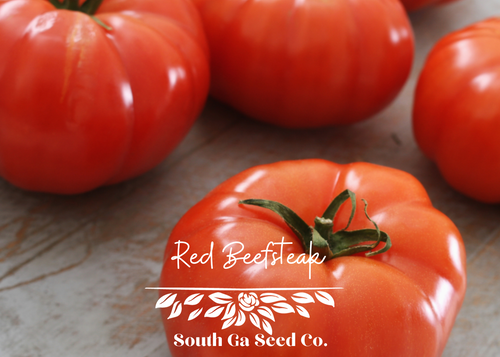
Louisiana Dixie Tomato is a beautiful heirloom beefsteak variety prized for its juicy meaty texture, deep pink blush, and outstanding flavor. This indeterminate tomato produces large fairly uniform fruits with attractive ribbing that make a striking addition to the garden and table.
The rich flavorful tomatoes are excellent for slicing, sandwiches, burgers, salads, and fresh summer dishes. Their juicy flesh and classic beefsteak texture make them especially desirable for home gardeners seeking large flavorful heirloom tomatoes.
Louisiana Dixie is a productive indeterminate variety that continues producing throughout the growing season with proper support. The vigorous vines thrive in warm sunny gardens and are an excellent choice for homesteads, heirloom collections, and gardeners who appreciate beautiful old Southern tomato varieties.
Louisiana Dixie Tomato Seed Details
- Quantity: 25 Seeds
- Plant Type: Heirloom Beefsteak Tomato
- Fruit Color: Deep Pink Blush
- Fruit Type: Ribbed Beefsteak
- Flavor: Rich Juicy Classic Tomato Flavor
- Growth Habit: Indeterminate
- Seed Planting Depth: 1/4-1/2 Inch
- Germination Temperature: 70-85°F
- Days to Germination: 6-9 Days
- Row Spacing: 60 Inches
- Plant Spacing: 18-36 Inches
- 100' Row Yield: 75 Pounds
- Sun Requirements: Full Sun
- Harvest Time: Approximately 80 Days
- Ideal Uses: Slicing, Sandwiches, Burgers, Salads, Fresh Eating, Homesteads, Heirloom Gardens
How to Save Seeds
Tomatoes are primarily self-pollinating, so separating varieties by approximately 50 feet is generally sufficient for maintaining seed purity.
Harvest tomatoes when they are fully ripe for seed saving. Fruits may also sit for several days after harvest before processing the seeds.
Cut ripe tomatoes in half and scoop the seeds and pulp into a mason jar or container with a small amount of water. Seal loosely and place the container in a warm location out of direct sunlight for fermentation.
Allow the mixture to ferment for approximately 5 to 7 days. During fermentation, mold and nonviable seeds will float while healthy seeds settle to the bottom.
Carefully pour away the floating material and strain the good seeds through a fine mesh strainer. Spread the seeds onto paper towels or mesh screens to dry completely, turning occasionally to prevent sticking.