
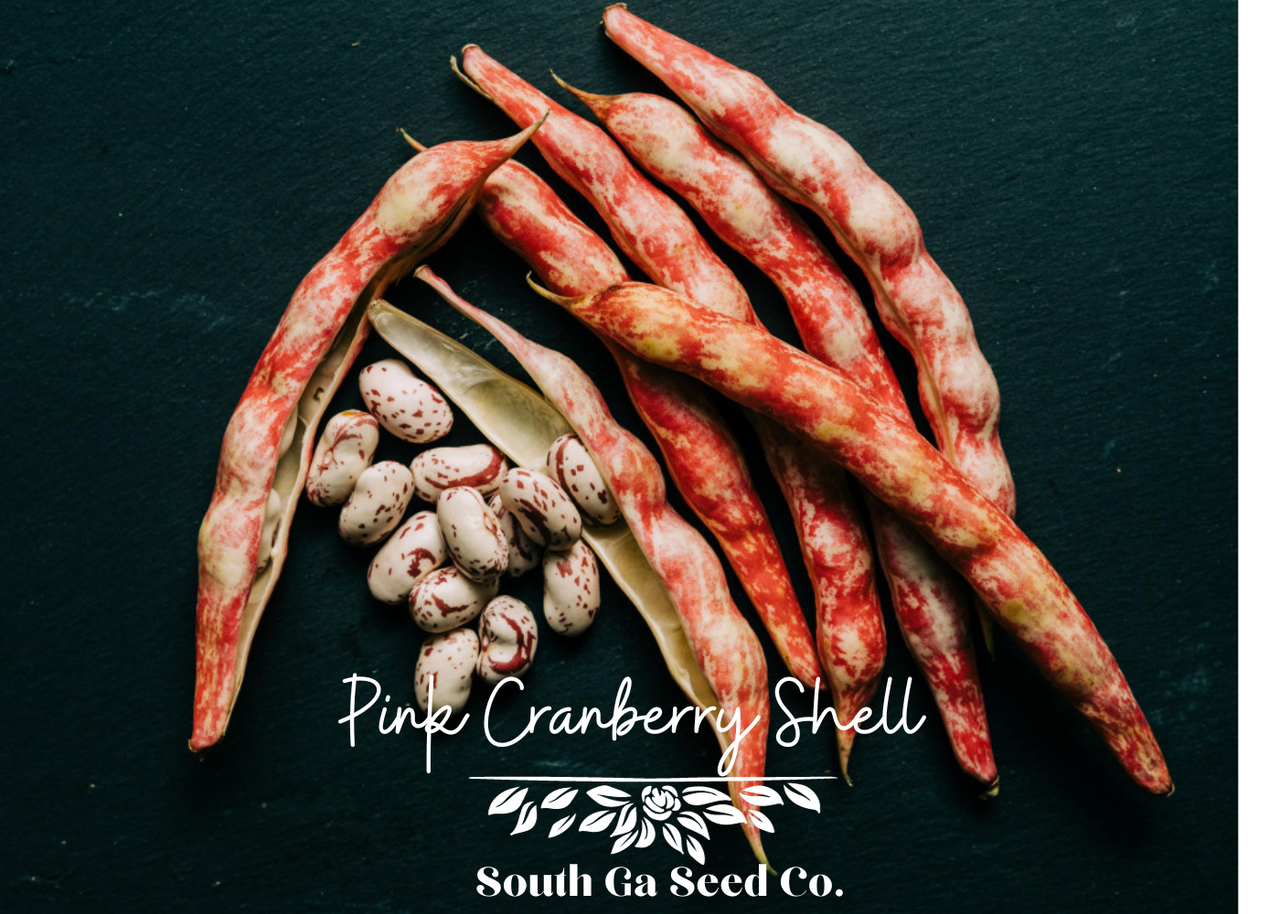

Pink Cranberry Beans, also called Borlotti Beans, are a striking heirloom bean variety prized for their beautiful pink and red streaked appearance, creamy texture, and rich nutty flavor. Originally from Colombia and later embraced in Italian cuisine, these beans have become a favorite for soups, stews, pasta dishes, salads, and hearty homestead meals.
When cooked, the colorful beans soften into a creamy tone while maintaining their smooth texture and robust flavor. Their ability to absorb seasonings and spices makes them ideal for rustic dishes and slow-cooked recipes.
Pink Cranberry Beans are also highly nutritious, providing an excellent source of protein, dietary fiber, iron, magnesium, and potassium. Their rich nutritional profile makes them a dependable staple crop for home gardens, homesteads, and market growers.
This productive heirloom bean variety grows vigorously in warm conditions and produces dependable harvests suitable for both fresh shelling and dry bean storage.
Pink Cranberry Bean Seed Details
- Quantity: 25 Seeds
- Plant Type: Heirloom Bean
- Bean Color: Pink and Red Streaked
- Flavor: Rich Nutty Flavor with Creamy Texture
- Growth Habit: Productive Bush Bean
- Seed Planting Depth: 1.5 Inches
- Germination Temperature: 75°F
- Days to Germination: 7-10 Days
- Row Spacing: 36 Inches
- Plant Spacing: 6 Inches
- 100' Row Yield: 24 Pounds
- Sun Requirements: Full Sun
- Harvest Time: Approximately 57 Days
- Ideal Uses: Soups, Stews, Pasta Dishes, Salads, Dry Beans, Homesteads, Market Gardens, Storage Crops
How to Save Seeds
Beans are primarily self-pollinating and rarely cross with other bean varieties, though occasional crossing may still occur.
If growing multiple bean varieties close together, planting different seed colors can help identify possible crossing during harvest. For maintaining seed purity, separate varieties by approximately 150 feet.
Allow pods to mature fully and dry completely on the plant before harvesting. After harvest, spread pods out in a dry well-ventilated area for an additional week of curing.
Once thoroughly dried, shell the beans, remove debris and damaged seed, and store cleaned seeds in a cool dry place for future planting.


