

★ Organically grown on our farm
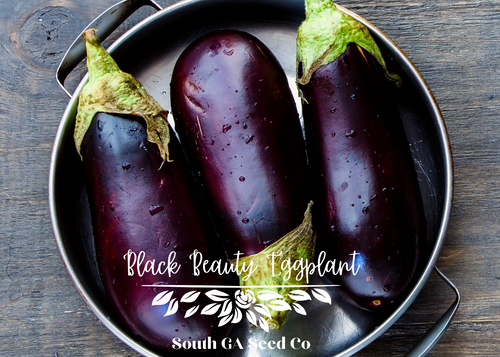
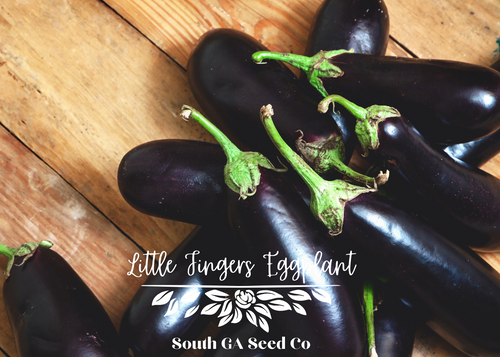
Japanese Eggplant is a beautiful and highly productive heirloom variety known for its glossy dark purple fruits and dependable harvests throughout the growing season. The slender, slightly curved fruits are smooth, tender, and exceptionally uniform, making them excellent for slicing, grilling, roasting, stir-frying, and many other culinary uses.
This vigorous plant produces abundantly from midsummer until frost, rewarding gardeners with continuous harvests of flavorful eggplants. The fruits have a mild, delicate taste with fewer seeds and a tender texture compared to many traditional eggplant varieties.
Japanese Eggplant thrives in warm sunny conditions and performs wonderfully in garden beds, raised beds, greenhouses, and homestead gardens. Its upright growth habit and heavy production make it a favorite among home gardeners and market growers alike.
Beautiful, productive, and easy to grow, Japanese Eggplant is an excellent addition to any vegetable garden and provides delicious harvests throughout the season.
Japanese Eggplant Seed Details
- Quantity: 20 Seeds
- Plant Type: Heirloom Eggplant Vegetable
- Fruit Color: Dark Purple
- Fruit Shape: Slender and Slightly Curved
- Seed Planting Depth: 1/4 Inch
- Germination Temperature: 70-90°F
- Days to Germination: 5-13 Days
- Row Spacing: 24-36 Inches
- Plant Spacing: 18-24 Inches
- 100' Row Yield: Approximately 50 Pounds
- Sun Requirements: Full Sun
- Harvest Time: Approximately 80 Days
- Growth Habit: Upright and Productive
- Ideal Uses: Slicing, Grilling, Roasting, Stir Fry, Raised Beds, Market Gardens, Homesteads, Fresh Eating, Preserving
How to Save Seeds
Eggplants are primarily self-pollinating plants, though cross-pollination between varieties can still occur. For seed saving purposes, isolating varieties by approximately 1/4 mile is recommended to help maintain purity.
Allow selected fruits to remain on the plant well past eating stage until they become fully mature and begin turning yellowish-brown in color.
Harvest mature fruits and scoop the seeds into a bowl of water. Viable seeds will generally sink while immature or poor-quality seeds float to the top.
Carefully remove floating debris and poor seeds, then rinse and strain the good seeds thoroughly.
Spread cleaned seeds out on paper towels, screens, or mesh racks to dry completely in a warm, well-ventilated location. Stir or turn seeds occasionally to prevent sticking and ensure even drying.
Once fully dried, store seeds in a cool, dark, dry place for future growing seasons.